

For generations, the traditional American Thanksgiving story has been taught like a fairy tale: friendly Pilgrims and welcoming Native Americans sat down together in 1621, shared a feast and peacefully formed a new nation. It is a comforting story, and, for many Americans, it is tied to childhood memories of school plays and family traditions. The problem is that almost everything about that popular version is historically inaccurate and continuing to repeat it erases centuries of Indigenous history, violence and survival.
In order to understand why the myth is harmful, we have to look at what actually happened. Before the Mayflower dropped anchor in 1620, European traders and fishermen had already brought infectious diseases to the New England coast. Between 1616 and 1619, a plague destroyed the Wampanoag Confederacy, killing an estimated two-thirds of the population.When English colonists settled in what they called Plymouth, they were not in an untouched wilderness; they were building on the cleared fields of Patuxet, a Wampanoag village wiped out by disease. Even Tisquantum (Squanto), who is often interpreted as a cheerful helper who served as a guide and interpreter for the Pilgrims, had been kidnapped by an English sea captain years earlier was sold into slavery in Spain and found his entire community dead by the time he returned home.
The famous 1621 gathering was not a warm celebration of multicultural friendship. The Wampanoag leader, Ousamequin (Massasoit), formed an alliance with the Pilgrims because his people had been weakened by disease and faced military threats from rival tribes, including the Narragansett. When the Pilgrims fired celebratory guns and cannons after the harvest, 90 Wampanoag warriors arrived to investigate what sounded like preparations for war. They hunted deer to add to the food supply and engaged in pragmatic diplomacy.
However, the peace did not last. Within a single generation, relentless English land theft, broken treaties and colonial expansion pushed the region into King Philip’s War in 1675, led by Ousamequin’s son Metacom. It is one of the bloodiest conflicts in North American history. Colonial militias burned Indigenous villages, executed Metacom and sold hundreds of surviving Wampanoag, Nipmuc and Narragansett men, women and children into slavery in the Caribbean. Ironically, the earliest official “days of thanksgiving” declared by colonial governors in New England were not feats of peace — they were religious observances celebrating military massacres of Indigenous communities such as the Pequot Massacre of 1637.
The traditional story we’ve come to know was invented much later. In 1863, the time of the Civil War, President Abraham Lincoln declared Thanksgiving a national holiday to unite a fractured country. Over the late 19th and 20th centuries, textbooks and advertisements smoothed over the brutal realities of what really happened, replacing them with the story we know in which Indigenous people happily stepped aside so the United States could flourish.
Because that myth reduces Native Americans to relics of the past, Indigenous leaders have spent decades pushing back. Since 1970, Native people and allies have gathered on Cole’s Hill in Plymouth for the National Day of Mourning, honoring Indigenous ancestors and highlighting the ongoing struggles for sovereignty and justice. So what can we actually do about a story we were misinformed about? Reclaiming Thanksgiving does not mean giving up gratitude or family connection — it means refusing to build gratitude on a lie.
First, we can educate ourselves and correct the narrative in our homes and classrooms by replacing myths with accurate history told by Indigenous historians and educators. Second, we can acknowledge whose land we live on. Learn the histories of the local tribal nations such as the Miami, Potawatomi and Shawnee peoples across the Great Lakes and Midwest. Recognize that Indigenous nations are vibrant, sovereign communities today, not footnotes in a textbook.
Finally, we can support Indigenous voices, organizations and creators year-round by reading native authors, supporting Indigenous-led businesses and mutual aid or advocating for tribal sovereignty and land stewardship. True gratitude requires honesty. When we let go of the comforting myth of Thanksgiving and face real history, we create space for genuine respect, accountability and a more truthful future.
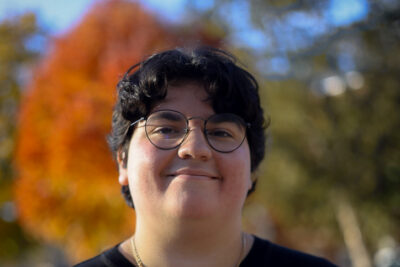
Demetrio Garcia is a senior sociology major from Elkhart, Indiana. He is currently wrapping up the qualification period for the NAIA marathon to compete for a chance at All-American.
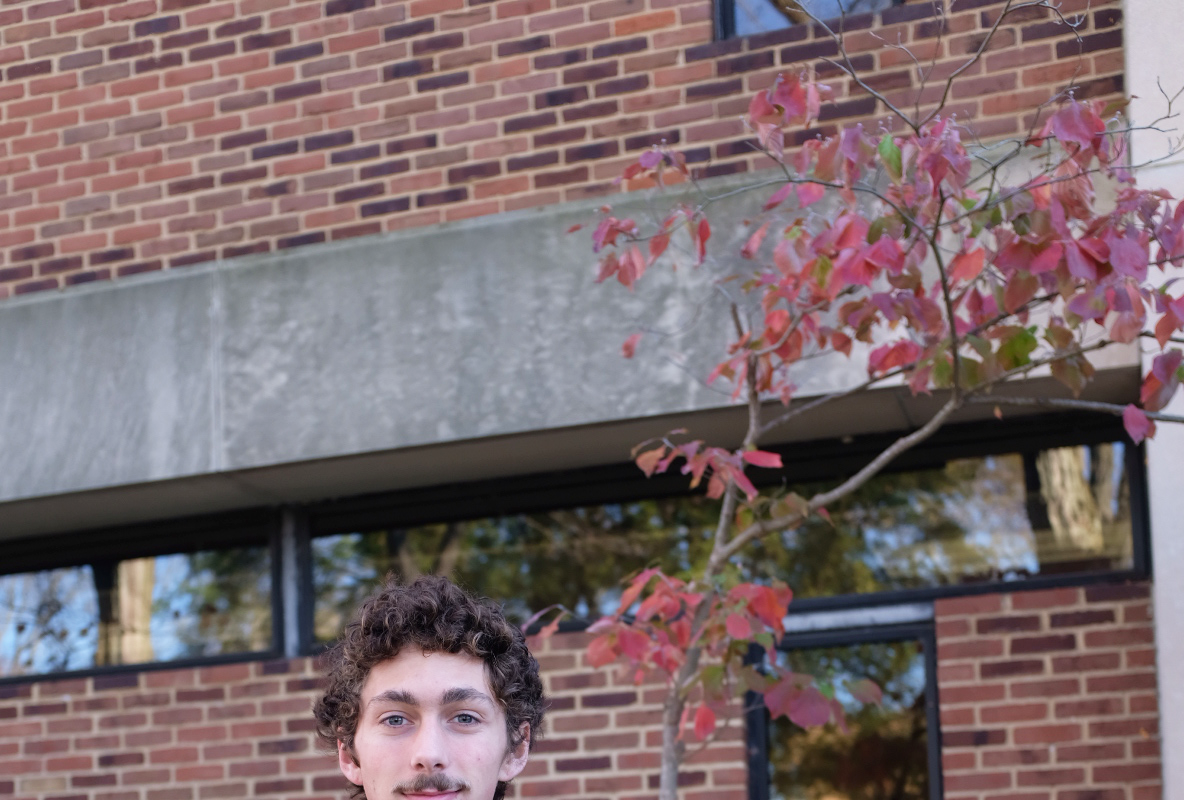
Max Estep is a junior engineering major from Middlebury, Indiana. He likes running.
Demetrio and Max are the president and treasurer of One Circle, GC’s affinity group that stands in solidarity with Indigenous people.