
When you grow up in Nepal, the landscape is a part of who you are. Nepal is a place where mountains touch the sky, where green hills wrap around quiet villages and where community is the foundation of daily life. Doors are always left open for neighbors, tea is shared freely and families stick together through everything. It is a very beautiful and colorful country. Despite being separated by thousands of miles when I came here to study at Goshen College, there is no doubt that Nepal always carries a piece of my heart.
This is the reason why Aug. 26 hit me so hard. I was in the middle of shooting my short movie that day when I stopped to check my phone. All of a sudden, my Instagram feed was flooded with devastating news: Nepal was drowning.In Nepal, monsoon season is always accompanied by large amounts of precipitation. Yet, this year’s rainfall was special in its own way. This disaster took place in northern and central parts of Nepal, which comprise the territories of the Bhote Koshi and Trishuli rivers including the Rasuwa, Nuwakot, Dhading and Chitwan districts. The sudden flash floods covered streets and markets in regions such as Trishuli Bazar and Syabrubesi within just a few hours of rainfall. Roads were washed away entirely, houses were buried in mud, and sudden rivers blocked off the region from any assistance.
Even though it wasn’t the exact town where I grew up, it felt like a part of me was lost in that flood too. When you are living so far away, you realize just how deeply you love your country and how much it hurts to see it in pain.
I was born and raised in Kathmandu — Nepal’s capital city. While Kathmandu sits further south and was spared from the worst of this specific disaster’s destruction, every corner of Nepal is connected by shared rivers, roads and family ties. When a flash flood destroys a bridge in Rasuwa or sweeps through Trishuli Bazar, the shockwave reaches Kathmandu in minutes.
My friends back home were glued to their phones, desperately trying to reach relatives living in mountain villages along the Trishuli corridor. Local market routes closed overnight, supply lines stalled and everyone I knew in Kathmandu was reaching out to check on friends and loved ones caught in the disaster zone. Growing up in Nepal means learning early on that when one region hurts, the whole country feels the pain.
Behind those headlines are real people and families. Thousands of homes were destroyed overnight. Parents lost their children, young kids were suddenly left without parents, and families who already had very little lost every single thing they owned. Pets had no owners left to feed them.
Watching all of this happen from a dorm room in Indiana is a very scary and exhausting feeling. When a disaster hits your home country while you are studying abroad, your world splits in two. On one side, life at GC goes on as normal: you walk to class, sit in the dining hall and do your homework. On the other side, your mind is thousands of miles away.
I spent days sitting in my room, staring at my phone screen, constantly hitting refresh on news feeds. Every minute spent waiting for a text message to deliver or waiting for my loved ones to reply and say, “We are safe,” felt like hours. I felt completely helpless sitting so far away, unable
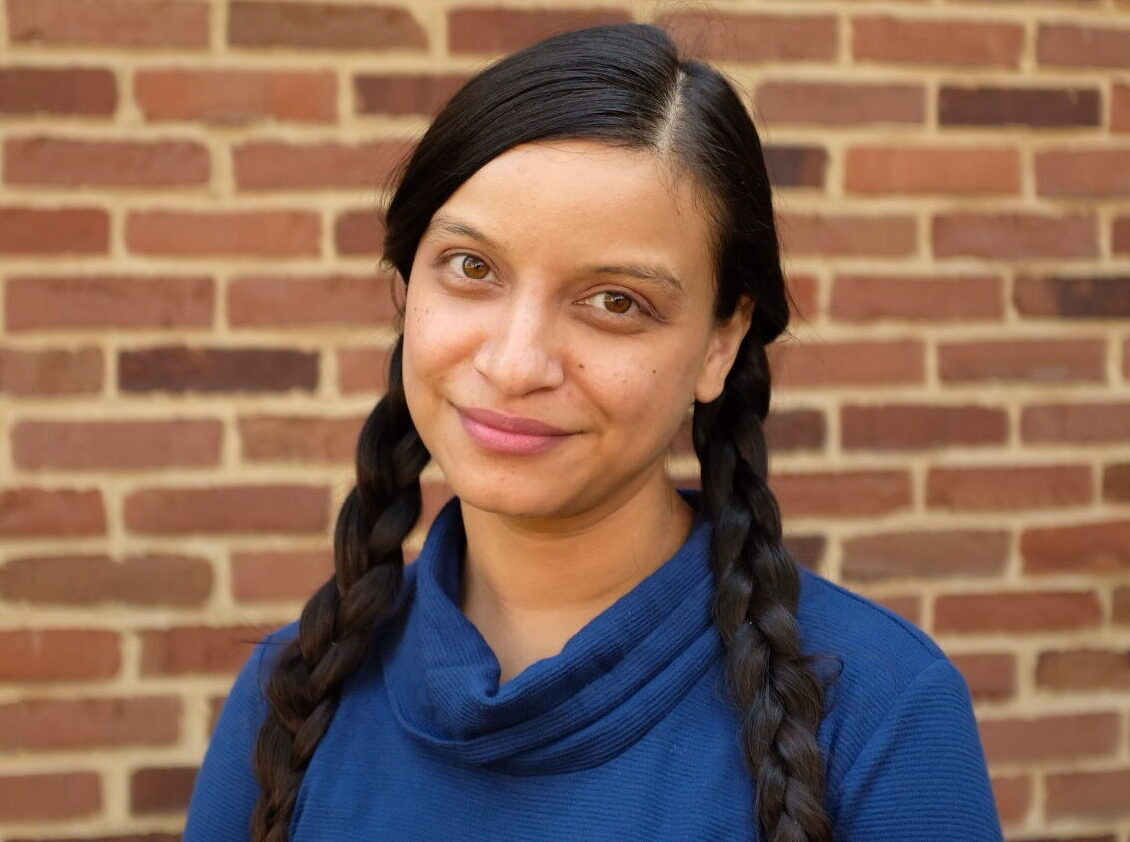
Urusha is a senior theater and film major from Kathmandu, Nepal. She is currently completing her senior capstone film and will perform her one-person show, “Kalakar,” during Homecoming weekend on Oct. 2, 3 and 4 at Umble Center.