
Imagine walking through the streets of Madrid in October. Military jets paint colorful trails across the sky, music fills the plazas and people gather to celebrate a heritage that connects millions of Spanish speakers around the world. This is not just another holiday — it is a celebration of language, culture, history and identity. During Hispanic Heritage Month, Spain takes center stage through one of its most important national celebrations: Oct. 12, Spain’s National Day, also known as Día de la Hispanidad.
Hispanic Heritage Month is celebrated in the United States from Sept. 15 to Oct. 15. It recognizes the achievements, traditions and contributions of Hispanic communities. While many people associate this month with Latin American countries, Spain plays a fundamental role because it is the birthplace of the Spanish language, a language spoken by more than 500 million people worldwide. Through language, literature, music and traditions, Spain remains deeply connected to Hispanic cultures across the globe.Oct. 12 is one of the most significant dates on the Spanish calendar. The day commemorates Christopher Columbus’s arrival in the Americas in 1492, a voyage that forever changed world history and created connections between Europe and the Americas. Today, the holiday symbolizes the cultural links shared by Spanish-speaking nations and serves as a reminder of a common heritage that stretches across continents.
The most famous celebrations take place in Madrid, Spain’s capital city. Every year, thousands of spectators line the streets to watch a spectacular military parade attended by the Spanish royal family, government officials and representatives of the armed forces. Fighter jets fly overhead while marching bands perform patriotic music. For many Spaniards, it is a day of pride and national unity. Even people who do not attend in person often watch the event on television, making it one of the most widely followed celebrations in the country.
However, the excitement of Oct. 12 extends far beyond official ceremonies. Across Spain, cities and towns organize concerts, cultural festivals, exhibitions and community events. In Madrid, the annual Hispanidad Festival transforms the city into a vibrant celebration of Hispanic culture. Artists, musicians, dancers and performers from different Spanish-speaking countries come together to showcase the diversity of the Hispanic world. Visitors can experience everything from traditional folk music to modern performances, creating an atmosphere that is both educational and entertaining.
Another unforgettable celebration takes place in Zaragoza during the famous Fiestas del Pilar. Thousands of people dressed in traditional clothing participate in the Flower Offering, bringing colorful bouquets to honor the Virgin of Pilar. The streets become filled with music, dancing, parades, fireworks and cultural performances. The festival attracts visitors from all over Spain, and demonstrates how traditions can bring communities together across generations.
Of course, no celebration of Spain would be complete without mentioning its culture. Spanish cuisine, with dishes such as paella, tortilla española and churros, are enjoyed around the world. Flamenco, recognized internationally for its passion and artistry, remains one of Spain’s most iconic cultural expressions. Spanish literature and art have also left a lasting mark on history through figures such as Miguel de Cervantes, Pablo Picasso and Salvador Dalí. These cultural achievements continue to influence people far beyond Spain’s borders.
At the same time, Oct. 12 is not viewed in the same way by everyone. Some see it as a celebration of shared language and cultural exchange, while others use the occasion to reflect on the effects of colonization on Indigenous peoples in the Americas. These different perspectives remind us that history is complex and that understanding the past requires listening to multiple voices. Hispanic Heritage Month provides an opportunity not only to celebrate achievements but also to learn from history and engage in meaningful conversations.
Ultimately, Spain’s National Day is much more than a date on the calendar. It is a vibrant expression of culture, identity, and connection. Through colorful festivals, historic traditions, music, food, and reflection, Spain contributes an essential chapter to the story of Hispanic heritage. Whether you are celebrating in Madrid, Zaragoza, or a community thousands of miles away, Oct. 12 serves as a powerful reminder that language and culture have the ability to unite people across borders and generations.
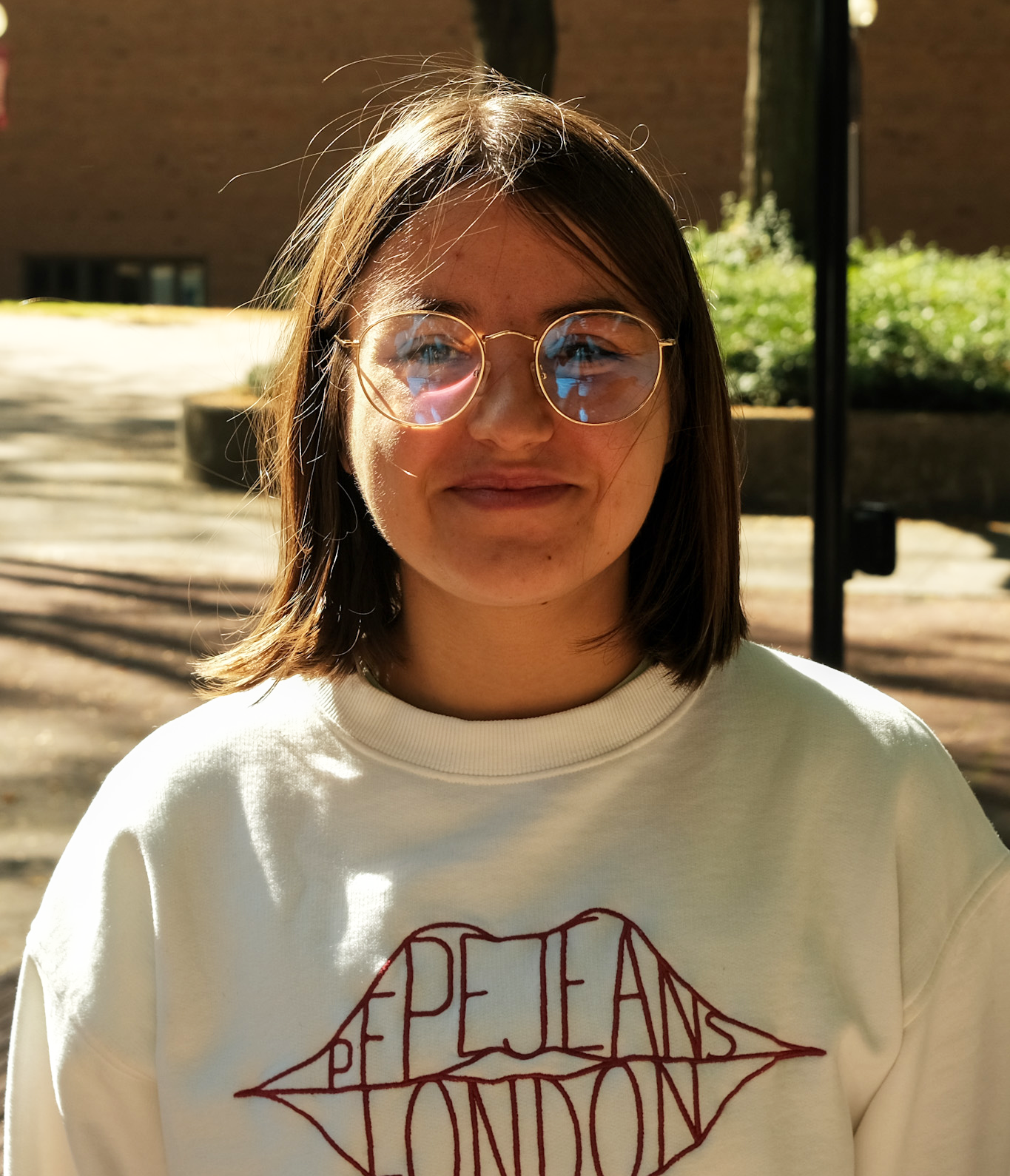
Ines Villasenor Rodríguez is from Motril, Granada, Spain. She is a sophomore studying molecular biology and biochemistry with a minor in music. In her free time, she likes playing oboe, reading, being in the sea and playing any sport.