
As many of us know, over the past few days the news has been filled with reports about the United States’ recent attack on Venezuela. While for some this may feel like just another international headline, for me, as a Venezuelan, it was deeply personal.
Living in the United States for almost seven years, I’ve learned what it means to watch my country from a distance. When the news broke that Nicolás Maduro had been captured, it brought emotions I was not expecting: relief, hope and even joy. This time, it was not just another political story; it reminded me of how deeply connected I still am to the place I call home. Many Venezuelans reacted the same way. After 26 years of suffering and silence, it feels like something is finally shifting.To understand why this moment matters so deeply, it’s important to acknowledge what life in Venezuela has been like. My childhood was intense and unpredictable. Daily life was marked by constant suspense: power outages, empty supermarket shelves and long lines for food, gasoline and other necessities. The nationwide blackout of March 7, 2019 — which lasted seven days and affected more than 90% of the country — made daily routines impossible, disrupted access to water and spread fear.
At the same time, the collapse of the healthcare system made life even more fragile. Hospitals lacked basic medicines and essential supplies and people died, not because illnesses were untreatable, but because food or medical care was unavailable. After that blackout, my parents seriously considered leaving Venezuela — not to abandon our country, but to find safety, stability and opportunities for the future. Like many Venezuelan families, we were forced to leave behind what we loved in hopes of a better life.
Even now, living far away, those memories stay with me. They are why news like this feels so personal, and why Venezuela will always be more than a headline to me.
With all of this in mind, the news of Nicolás Maduro’s capture broke at around 2 a.m., and many people, including my parents, found out at that hour. They spent hours watching the news, trying to understand what was happening. At first, I couldn’t believe it. I went straight to my parents, searched for information and confirmed it was true. My reaction was to cry tears of joy, relief and hope. For the first time in so long, the idea of returning home, hugging my grandparents and seeing my family again felt possible.
For Venezuelans living abroad, the moment was deeply emotional, while those still in the country could not openly express their opinions without risking their safety. My aunt, who lives in Venezuela and was visiting family in Caracas — the capital where the attack took place — could not be reached for an entire day afterward, as the government had cut off much of the city’s communication. When my mother finally reached her, my aunt cautiously explained she could not speak freely. She described how people rushed to buy food the next day and how the streets were unusually empty, showing the fear that still shapes daily life. Many of us outside the country understood why openly celebrating from inside the country was simply impossible.
Some people say that the United States attacked my country because of our oil. While this idea circulates internationally, it doesn’t reflect reality. We never benefited from that oil wealth; it never reached our daily lives. Besides, countries like Russia, China and Iran have been involved in Venezuela for years, showing that foreign interest in our country is not new. What matters to Venezuelans is not who controls oil abroad, but whether people can live with dignity at home.
Even a small sign of change feels monumental for the Venezuelan diaspora. After years of fear, loss and forced migration, this moment brings hope. It reminds us that one day we may return home, reunite with loved ones and rebuild what has been lost. For me, Venezuela will always be more than a headline; it is home.
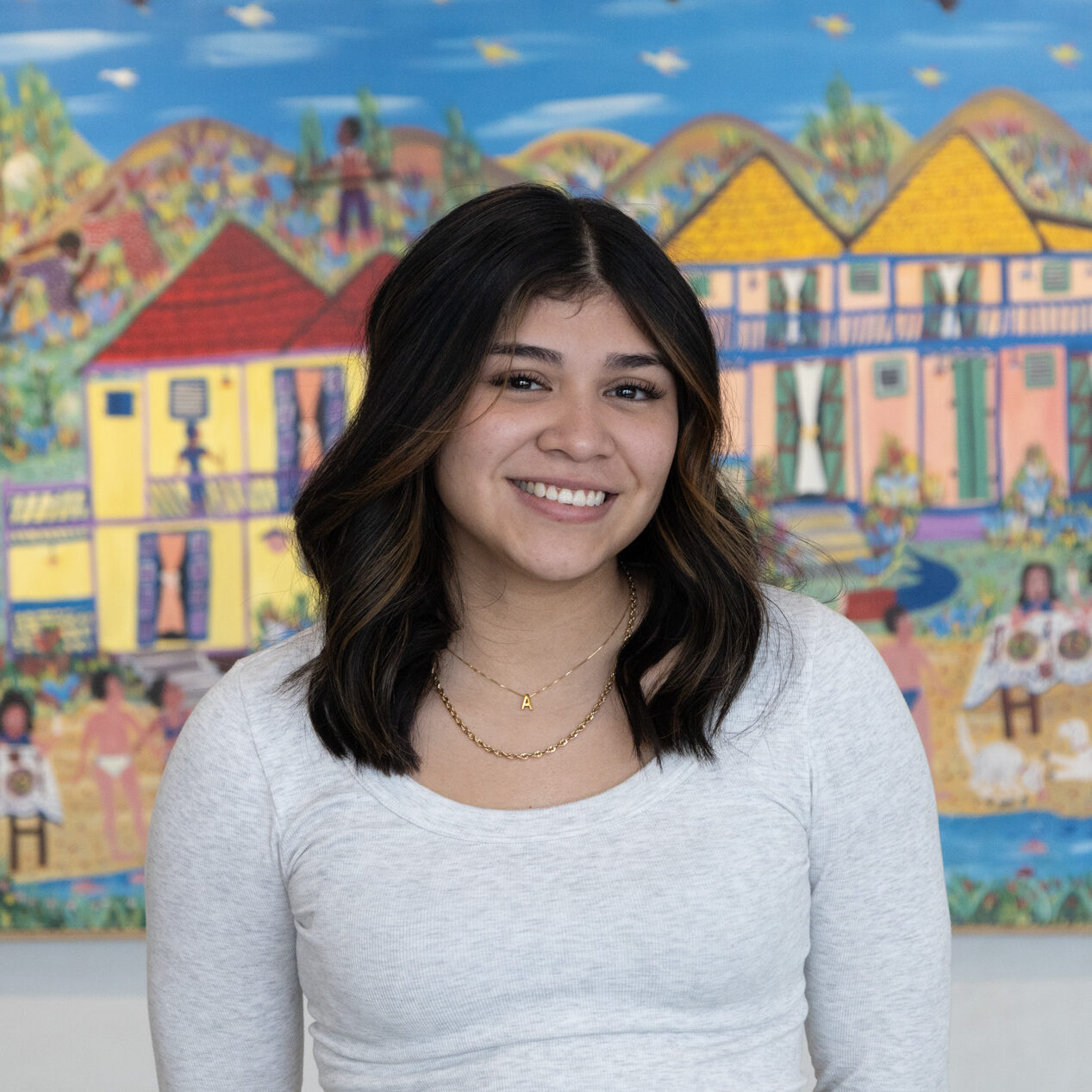
Ari Mosquera is a sophomore at Goshen College, originally from Venezuela, majoring in elementary education with a minor in psychology. She is also a member of the women’s tennis team.