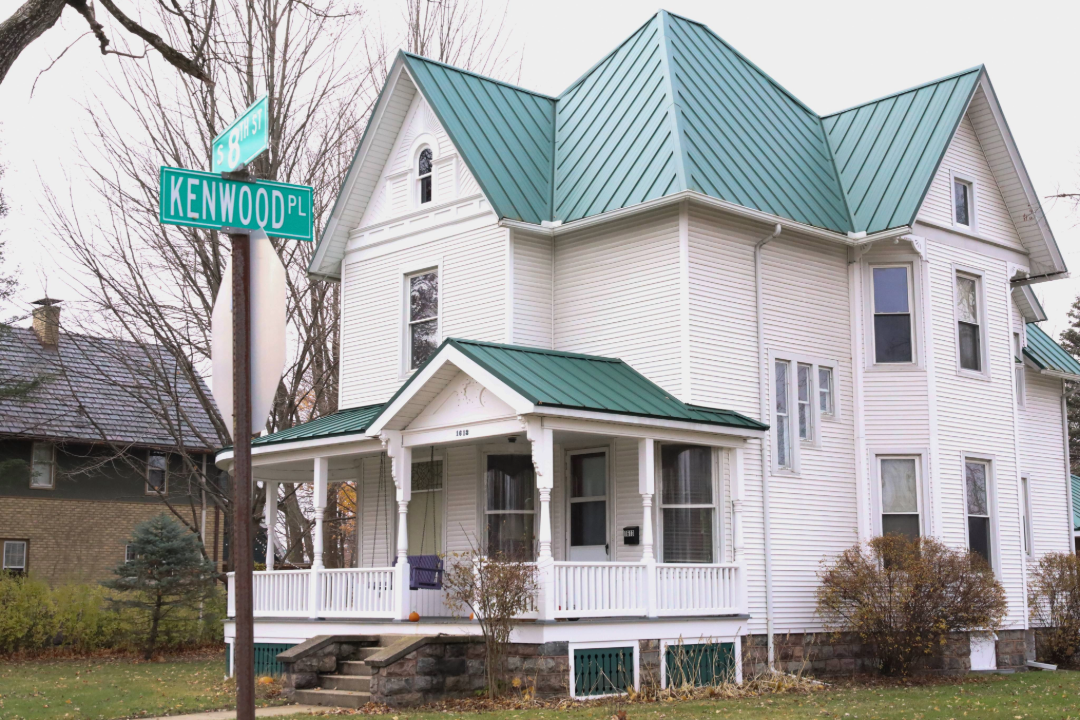
Among the various campus housing options, Intentional Living Communities are a unique option offered to students. Housing 8-12 students, depending on which house, ILCs are designed to allow for a group of students to come together and work towards a certain purpose that they decide together.
These houses are supposed to declare their group’s purpose, and then make a plan to work towards their goals. Kevin Schultz, assistant director of residence life, said, “At the root, ILCs are meant to be occupied by a group of students with a common thread or purpose and passion. For example in the past we have had a group of Women in STEM living in Howell, or a group of environmental/sustainability focused students living in East Hall.”These houses provide a space for individuals to focus their energy towards a common purpose and enact change across campus. While in the past they have been quite intentional, Schultz mentioned that “groups applying over the last few years have become less specific or niche regarding their group dynamic or stated shared purpose.”
These residences are still responsible for many events and changes around campus. Chandler Buchfeller, director of residence life, brought up some examples of projects ILCs have brought to life. He said, “We had an ILC group a few years ago that got compost bins installed for all the houses, and that was kind of one of their big pushes.”
“Howell-o-ween” is another campus event that all happens due to Howell House residents’ commitment to bringing the event back each year. “[It] is a really good example of one way that students who have been living in that space for a number of years have created space for others on campus to come together,” Buchfeller said.
Goshen College owns Howell and Kenwood House, both on 8th street, and East Hall outside of the Kratz Miller Yoder dorms. Currently, Howell House is the only one occupied. East Hall and Kenwood are both listed as private residences at the moment, although they are still reserved for students if there is interest.
Student interest has been dwindling over the years, for a couple of reasons. Buchfeller said, “Year over year, we see an increased value placed on having one’s own room … I think that’s one of the primary drivers of this, because in most ILC houses, at least most, if not all, students living in the house would need to be sharing a bedroom.”
Most of the ILCs place two students in a room. They simply don’t have the space to accommodate more single rooms in those housing arrangements. However, another main reason is that the college doesn’t need as much housing as they used to. “There was an era where there were 10 or 12 ILC houses,” said Buchfeller. He later added, “We don’t have the same need for space as the college did then.”
ILC use is entirely based on student demand, and if more applications come in, then the other houses will be back in use again. However, in the meantime GC tries to find other uses for the space. One is currently being rented out to a family, and previously, they have also been used for faculty housing when that was needed. “Leaving housing spaces unoccupied and unattended is kind of a recipe for disaster,” Buchfeller said.
Overall, while these spaces are not as in demand as they once were, they still provide a unique way for the students who are involved to contribute to campus life and gain meaningful experiences along the way.